
Tulips:
All about species, care, flowering period, and meaning
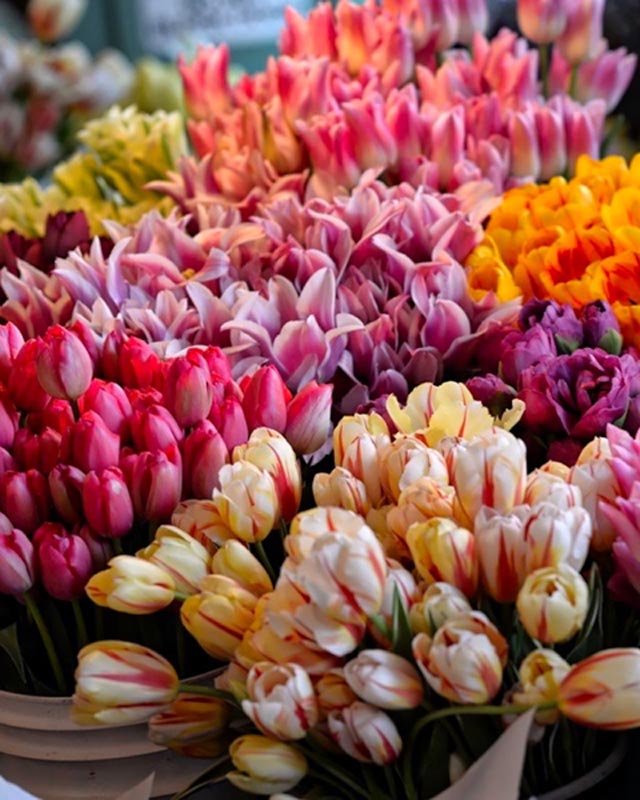
Tulips are among the most popular spring flowers worldwide. Their clear flower shapes, bright colors, and elegant stems bring freshness and joie de vivre to any space—whether in the garden, on the balcony, or as a floral greeting in the home.
What can you expect on this page?
Here you will find everything you need to know about tulips: different types and varieties, tips on planting and care, information on flowering times, and background information on symbolism and history.
Who is this guide intended for?
This page is aimed at everyone who loves tulips – from hobby gardeners to flower lovers. The content is clearly structured, easy to understand, and provides step-by-step guidance on related topics.
Where can I find fresh tulips?
If you want to enjoy the beauty of this spring flower not only in your garden but also at home, you can order tulips online here.order tulips online — fresh from the florist and lovingly arranged. This way, you can bring a piece of spring right into your home.
Introduction & Origin
Origin of tulips
Tulips originate from Central Asia, where they grew wild on sunny mountain slopes and meadows. In the 16th century, they arrived in Turkey and later in Europe, where they quickly became popular. Today, there are thousands of varieties that differ in color, size, and flower shape.
Tulips in art and culture
Tulips became particularly important in the Netherlands in the 17th century. "Tulip mania" shows how fashion, trade, and gardening culture were influenced. Tulips adorned works of art, textiles, and magnificent gardens, and to this day they remain a symbol of springtime joy and elegance.
Symbolism of tulips
Tulips are considered classic harbingers of spring and represent fresh energy, joie de vivre, and new beginnings. Their bright colors and elegant flowers convey positive feelings and a cheerful mood, bringing joy to flower beds and bouquets and symbolizing friendship, tenderness, and new beginnings.
Tulips are not only decorative in the garden, but their meaning is also transferred to floral gifts. Whether as cut flowers in a vase or planted in flower beds, they radiate joie de vivre, hope, and the beauty of nature awakening after a long winter. They are ideal for mass plantings, harmonious combinations with other spring flowers, or as individual eye-catchers.
Tulip types and varieties: beautiful flowers for spring
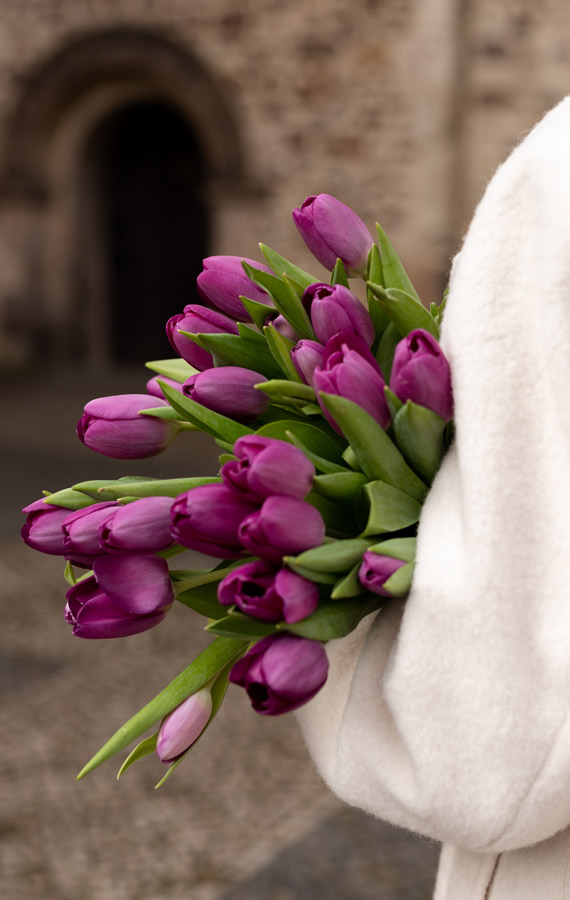
Tulips offer an impressive variety of shapes, colors, and flower structures. For hobby gardeners and cut flower enthusiasts, it is important to know the characteristics of each variety in order to choose the right tulips for the garden or vase.
For an even more detailed overview discover the most popular tulip varieties and species and learn more about their flowering times, colors, and special features.
Single tulips: characteristics, flowering period, and care
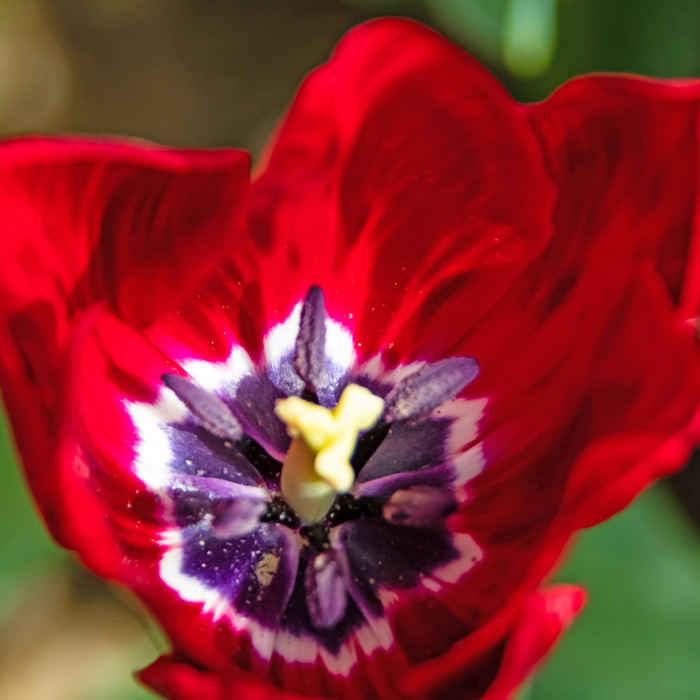
Characteristics: Single tulips have clear, cup-shaped flowers with six symmetrical petals. They come in almost every color—from pink and yellow to red and purple—and reach a height of 20–40 cm.
Flowering season: April to May
Care: Sunny to semi-shaded locations and well-drained, humus-rich soil. Regular watering without waterlogging promotes long flowering.
Uses: Ideal for beds, borders, or containers. Also very popular as a cut flower, either on its own or combined with other early spring flowers. Its straight stems make for elegant arrangements that convey the spirit of spring.

Double tulips: Voluminous flowers for gardens and bouquets
Characteristics: Double tulips resemble small roses with their numerous, densely layered petals and appear particularly opulent. They vary in color from delicate pastel shades to deep purple and reach a height of 25–45 cm.
Flowering time: Early-flowering varieties from April, late-flowering varieties until May.
Care: Sunny, wind-protected locations and loose, nutrient-rich soil are ideal. Avoid waterlogging so that the heavy flowers are not damaged.
Uses: Double tulips add a romantic touch to garden beds, borders, or planters. They bring volume and elegance to bouquets and table arrangements, especially when combined with eucalyptus, ranunculus, or other double spring flowers.

Parrot tulips: Exotic flowers with wavy edges
Characteristics: Parrot tulips impress with their jagged, wavy petals in contrasting colors. The plants reach a height of 30–50 cm and are real eye-catchers in gardens and bouquets.
Flowering time: May, slightly later than many other tulip varieties.
Care: Sunny, wind-protected locations and well-drained, nutrient-rich soil. Protect heavy flower heads from heavy rain or wind.
Uses: Add striking accents to flower beds, especially as single plantings or in mixed beds. They bring dynamism to bouquets, especially when combined with delicate twigs, grasses, or pastel-colored spring flowers.

Darwin and Triumph Tulips – Robust garden and cut flowers
Characteristics: Darwin tulips have large, egg-shaped flowers and sturdy stems up to 50 cm. Triumph tulips are more compact (25–35 cm) with a variety of single or two-colored flowers. Both are stable and retain their shape well.
Flowering time: Triumph tulips usually bloom in April, Darwin tulips from mid-April to May.
Care: Both prefer sunny, wind-protected locations and well-drained, nutrient-rich soil. They are easy to care for, long-lasting, and suitable for both beginners and professionals.
Uses: Ideal for group plantings in beds or elegant bouquets. Darwin tulips go well with perennials, while Triumph tulips are perfect for colorful mixed arrangements.

Fringed tulips: Delicate flowers for modern arrangements
Characteristics: Fringed tulips are characterized by delicate, finely cut flower edges that sparkle like tiny crystals in the sunlight. They reach a height of 30–45 cm and are available in white, pink, red, or purple. The delicate flowers look particularly elegant and modern.
Flowering period: late April to May.
Care: Ideal locations are sunny and sheltered from the wind, and the soil should be humus-rich and well-drained. Wind protection protects the delicate flower edges from damage. Regular watering without waterlogging promotes healthy flowers.
Uses: Adds elegant accents to flower beds or modern arrangements. Ideal for sophisticated bouquets and minimalist compositions that emphasize its delicate beauty.
Lily-flowered tulips – Elegant, pointed flowers
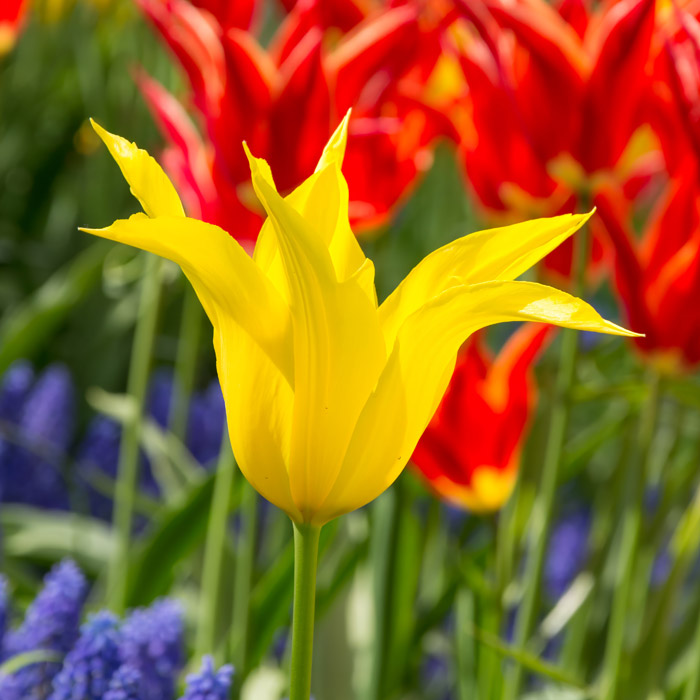
Characteristics: Pointed, outwardly curved petals, height 30–50 cm, many colors, including two-tone. Slender, graceful flowers.
Flowering period: May.
Care: Sunny, wind-protected locations with loose, well-drained soil are ideal. Regular watering without waterlogging promotes healthy flowering. The plants are easy to care for and robust, so they will bring joy year after year.
Uses: Ideal for elegant flower beds, late-flowering plantings, or romantic arrangements. Floristically suitable for tall, airy bouquets, combined with delicate flowers or twigs.
Practical comparison table
Variety | Height | Color | Special features |
|---|---|---|---|
Single tulips | 20–40 cm | Red, yellow, white, pink | Classic, easy to care for, for flower beds and bouquets |
Double tulips | 25–45 cm | Pastel, red, multicolored | Lush blooms, luxurious, long-lasting cut flowers |
Parrot tulips | 30–50 cm | Colorful, striped | Extravagant flower shape, eye-catching |
Triumph tulips | 25–35 cm | Red, yellow, pink, violet | Versatile, sturdy, flower beds & bouquets |
Darwin hybrids | 35–50 cm | Red, yellow, pink | Large flowers, long-lasting, cut flowers |
Fringed tulips | 30–45 cm | Red, yellow, pink, multicolored | Jagged flower edges, decorative, robust |
Lily-flowered tulips | 30–50 cm | Red, white, pink, yellow | Slender, pointed flowers, elegant appearance |
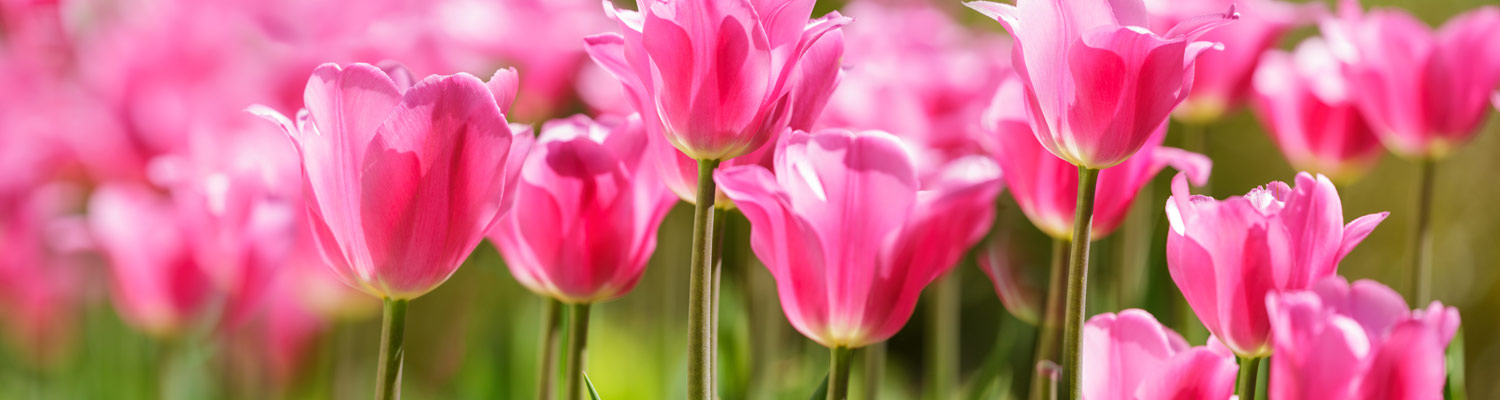
Buy tulips – Fresh bouquets of tulips directly from the florist
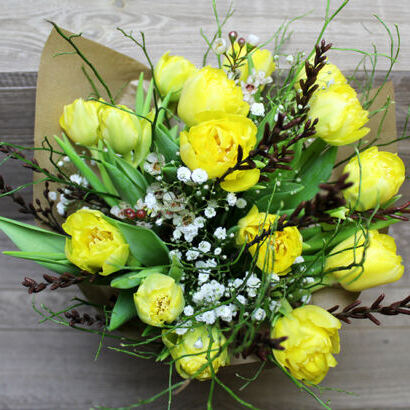
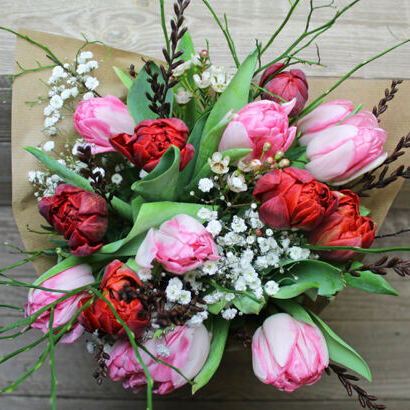
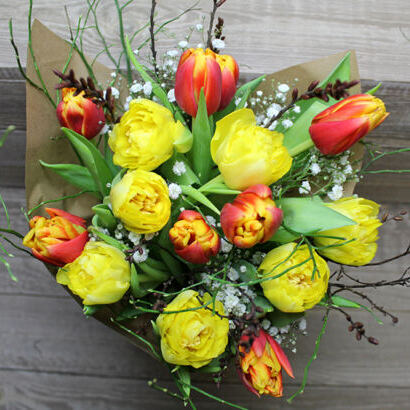
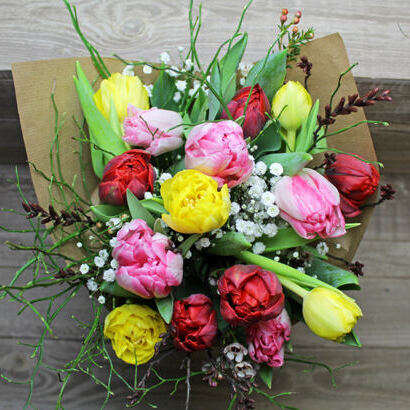
Discover our magnificent tulip bouquets, freshly arranged for you by our florists. Each flower impresses with its vibrant colors, sturdy stems, and long-lasting freshness—ideal for giving joy to others or beautifying your home.
Our tulip bouquets are available in a variety of colors and arrangements and are perfect for any occasion: as a springtime decoration, a gift for friends and family, or as an eye-catching centerpiece on your dining table. Carefully arranged, the tulips unfold their full beauty and remain fresh for several days.
Benefit from the expertise of our florists, who design each bouquet harmoniously and pay attention to quality. With a bouquet of tulips from our range, you can bring the freshness and elegance of spring directly into your home or send tulips as a gift throughout Switzerland.
Discover our range of fresh tulips and give the gift of joy.Order tulip bouquets directly from the florist.



Planting and caring for tulips correctly
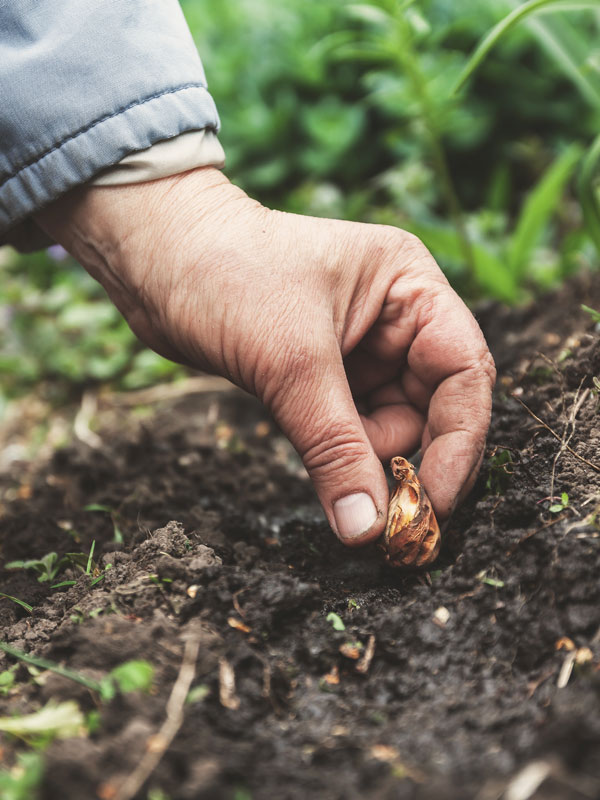
In order for tulips to bloom magnificently in the garden and unfold their full beauty, the choice of location, soil conditions, and targeted care are crucial. Tulips prefer sunny to semi-shaded locations where they receive sufficient light for vigorous blooms, but are also protected from extreme weather conditions. Loose, well-drained soil prevents waterlogging, which could damage the bulbs, and promotes healthy root development.
Care instructions for healthy tulips
- Watering: Tulips need consistent moisture during the growth phase, especially during prolonged dry periods. However, waterlogging must be avoided as it promotes root rot.
- Remove dead flowers: After flowering, only the dead flower heads should be cut off. This allows the plant's energy to remain in the bulb and produce new flowers the following year.
- Leave the leaves: The green leaves should be allowed to turn completely yellow before being removed. They store nutrients and pass them on to the bulbs.
- Fertilize: A light organic fertilizer or compost in fall and spring supports bulb development and promotes strong flowers.
Special tips for beds and pots
Tulips can be cultivated in both flower beds and pots. For pot planting, it is particularly important to ensure good drainage. Combining different tulip varieties and colors not only creates a harmonious overall picture, but also allows for staggered flowering over several weeks. Early, mid-season, and late-blooming varieties can be specifically combined to bring lasting color to the flower bed.
For detailed step-by-step instructions on how to plant, fertilize, and overwinter tulips, visit our comprehensive pagehow to plant and care for tulips correctly.
Tulip blooming time & season tips
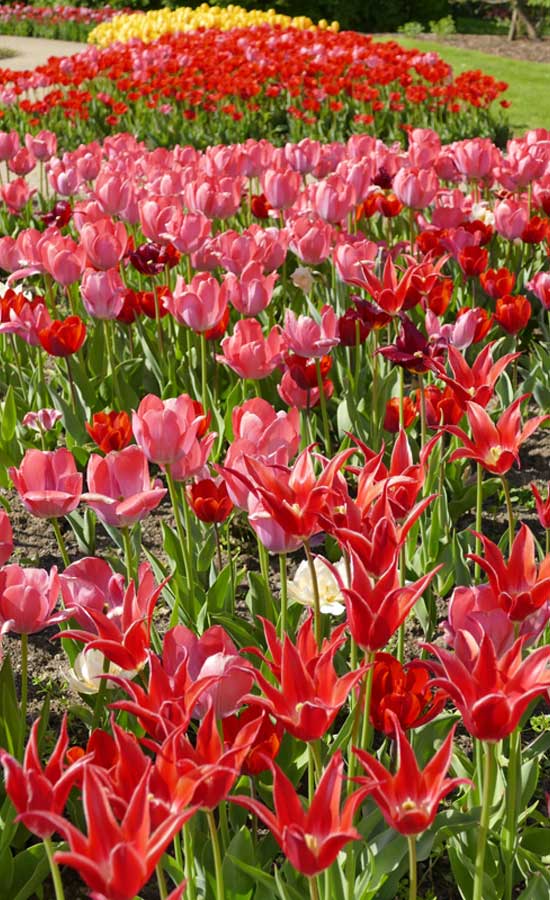
The flowering period of tulips depends greatly on the respective species and variety. Early-flowering tulips show their first blooms as early as March, mid-early flowering varieties unfold their colors in April, while late bloomers usually only flower in May. If you plan the flowering periods skillfully, you can enjoy colorful beds and borders for several weeks.
When tulips bloom in spring
Early, mid-season, and late bloomers can be optimally combined to achieve a continuous color gradient. By staggering the planting times, beds, pots, or borders can remain attractive over a long period of time. Combining different heights, colors, and flower shapes also enhances the visual effect and ensures that there is always something blooming in the garden.
Planning flowering times in the garden
When choosing tulips for beds or pots, pay attention to flowering times to avoid gaps. Early bloomers are ideal for early spring, mid-early bloomers for the heart of spring, and late bloomers for late spring, when many other plants have already finished flowering. With a little planning, you can create a harmonious and long-lasting display of flowers.
Further information
Detailed information on the flowering times of all tulip varieties, tips on combining different varieties, and useful tips for planting planning can be found on our page wWhen tulips bloom in spring. This will help you to design your garden optimally and make the most of each tulip variety's full potential.
How to cut tulips and keep them fresh
Tulips are among the most popular cut flowers in spring and bring color, freshness, and joie de vivre to any room. To keep tulips fresh in a vase for a long time, it is crucial to cut them correctly.
The right cut
Always cut the stems at an angle so that the vascular system remains open and the flowers can absorb water optimally. Use a sharp knife or clean scissors to avoid bruising.
Caring for tulips in a vase
Place freshly cut tulips immediately in clean, lukewarm water, which should be changed regularly to prevent bacteria from forming. Make sure they are in a bright spot, but not in direct sunlight. Draughts, proximity to radiators, or direct sunlight will cause the flowers to wilt more quickly. Remove wilted leaves or flowers regularly to keep the vase clean and extend the life of the tulips.
Extend shelf life
A few simple tricks can help maximize the lifespan of your tulips: Cut the stems again at a slight angle after one to two days, keep the vase filled with enough water, and avoid placing ethylene-producing fruits such as apples or bananas nearby. This will keep the tulips upright, plump, and vibrant—both in bouquets and decorative arrangements.
Tips for cutting tulips. Here you can find out how to keep your tulip bouquets fresh and beautiful for longer.
Tulips Meaning & History of the Flower
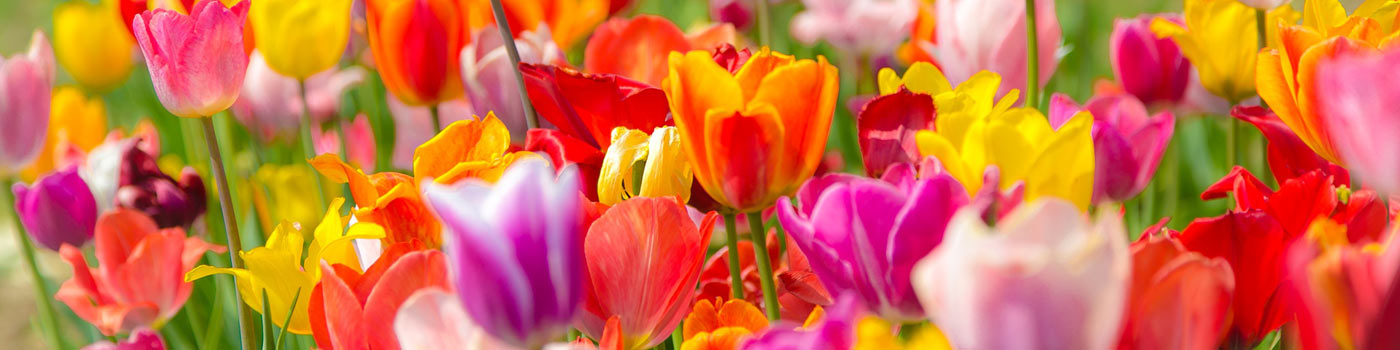
Tulips have had many meanings for centuries and convey different messages in culture, art, and the language of flowers. Red tulips symbolize love and affection, yellow or colorful varieties convey joy, optimism, and a positive mood, while double tulips express elegance and beauty.
Historically, tulips were not only garden decorations, but also sought-after commodities, fashion items, and artistic motifs. The "tulip mania" of the 17th century in particular shows how strongly they influenced society, trade, and culture. Today, tulips are considered classic harbingers of spring, bringing joie de vivre, new beginnings, and decorative diversity to gardens and homes.
For all the details on historical background, symbolism, and floral meaning, discoverthe fascinating meaning of the tulip and learn why they have been inspiring people around the world for centuries.

Red tulips – love and passion
Red tulips are a classic symbol of love and passion. They represent deep affection, romance, and emotional intensity. Giving red tulips as a gift expresses admiration or heartfelt feelings without saying a word. They are ideal for Valentine's Day, anniversaries, or romantic gestures. The vibrant red color is energetic and eye-catching, making red tulips particularly effective as emotional messengers. They combine warmth, heartfelt power, and romantic elegance.
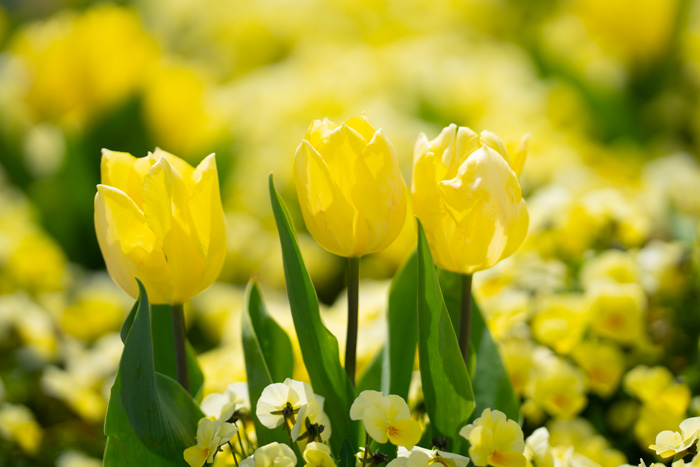
Yellow tulips – friendship and joy
Yellow tulips convey joie de vivre, optimism, and friendly affection. They are ideal gifts for making someone smile or expressing gratitude. Their sunny color stands for cheerfulness, encouragement, and positive energy. Yellow tulips are suitable for birthdays, get-well wishes, or as small gifts in everyday life. They spread lightness and good cheer, bring happiness to any room, and signal open hearts. Yellow tulips are a stylish way to express pure joie de vivre.
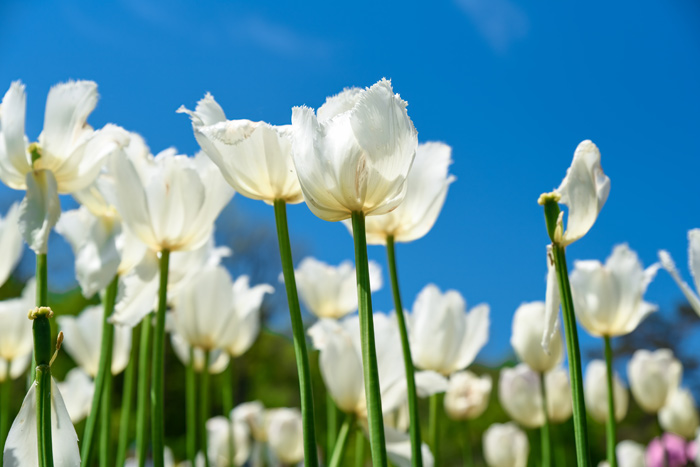
White tulips – purity and elegance
White tulips symbolize purity, innocence, and timeless elegance. They represent respect, harmony, and sincere feelings, and are suitable for weddings, formal occasions, or memorial services. White conveys calm, serenity, and stylish simplicity, allowing white tulips to convey a peaceful, noble message. They can also express sympathy or show gratitude. Their pure aura lends a touch of dignity and grace to any arrangement and subtly appeals to feelings that lie deep in the heart.
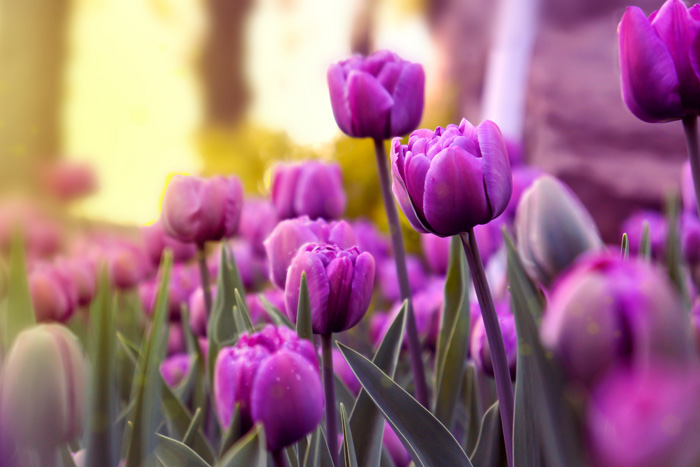
Purple tulips – creativity and dignity
Purple tulips represent inspiration, creativity, and dignified recognition. The color purple conveys individuality, mystery, and a touch of nobility. Those who give purple gifts wish to express admiration, respect, or artistic appreciation. Purple tulips are ideal for special achievements, creative projects, or people who love individuality. They appear mysterious and elegant at the same time, attract attention, and convey a message of appreciation in a stylish way. Purple tulips combine aesthetics with subtle expressiveness.

Multicolored tulips – individuality and joie de vivre
Multicolored tulips represent diversity, originality, and carefree joie de vivre. They symbolize colorful diversity, the courage to be individual, and the joy of being different. Those who give multicolored tulips as gifts want to convey optimism, vitality, and creative joie de vivre. They are perfect for birthdays, joyful celebrations, or simply as a decorative message for people who love life. Multicolored tulips combine liveliness with expressiveness and playfully show that life is colorful, varied, and full of joy.
Tulip tours & festivals: The most beautiful destinations for tulip fans
For tulip lovers and amateur photographers, there is hardly a more beautiful experience than seeing the bright colors of endless flower fields with your own eyes. When the tulips bloom in all their glory in spring, entire landscapes are transformed into a colorful sea—a paradise for marveling, discovering, and photographing.
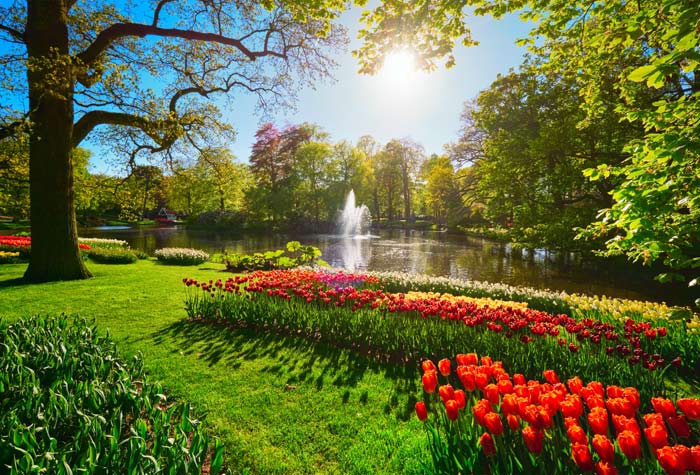
Keukenhof Spring Garden(Netherlands)
Keukenhof in Lisse is the world's largest spring garden and attracts thousands of visitors every year. Over 7 million tulip bulbs are planted in impressive patterns and themed beds, complemented by art installations and workshops. Visitors can admire the variety of tulips and gather ideas for their own gardens.
Photo tips: Take photos early in the morning or late in the afternoon to take advantage of soft light; macro shots of the flower colors are best when the sky is slightly cloudy.
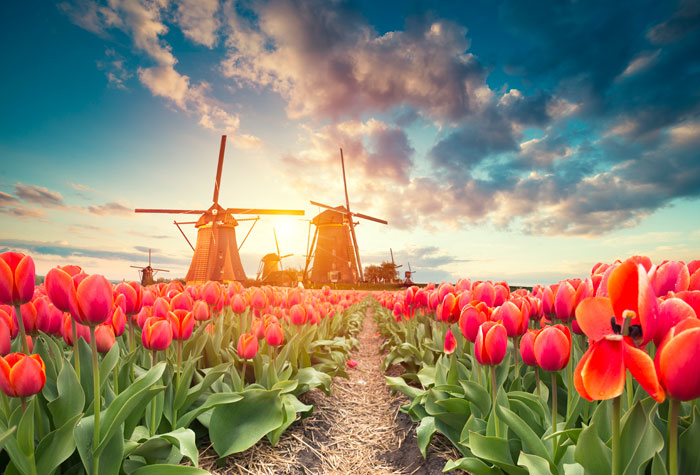
Tulip fields in northern Germany
In Schleswig-Holstein and Lower Saxony, tulip fields stretch across many hectares, transforming the landscape into a colorful sea of flowers in spring. The endless rows of bright tulips and rolling hills offer ideal motifs for atmospheric landscape shots.
Photo tips: Drone shots offer a unique view of monochrome patterns and geometric plantings, while wide-angle lenses impressively capture the entire field landscape. The perspective from ground level can also create exciting structures and depth effects.
Tulip Festival Istanbul (Turkey)
The annual Emirgan Park Festival showcases hundreds of thousands of tulips in every color and variety. Traditional and modern plant arrangements transform Istanbul into a colorful paradise for photographers and visitors alike in the spring.
Photo tips: Macro shots are ideal for capturing the fine details and structures of the flowers. Experiment with unusual perspectives, such as ground level or bird's-eye view, to create impressive effects and depth in your images.
Conclusion – Everything you need to know about tulips
Tulips are more than just pretty spring flowers—they combine history, culture, and gardening joy. Whether in the garden, as cut flowers, or at festivals around the world, their bright colors, diverse shapes, and symbolism make them real eye-catchers. With the right care, the right location, and a little planning when it comes to flowering time and variety selection, tulips can be enjoyed to the fullest.
Discover our tulip theme pages and learn everything about varieties, care, flowering time, cutting, and meaning—so your garden or bouquet will be a real eye-catcher.

Season & Flowering Period
When do tulips bloom and how can you extend their flowering period?
Learn more →

FAQ – Everything about tulips
Where can you buy fresh tulips?
You can purchase fresh tulips either directly from your local florist or conveniently in our online shop. There, the bouquets are arranged with great care and freshly assembled so that they retain their shape, bright colors, and natural freshness. Thanks to delivery throughout Switzerland, you can easily order your tulips to your home or give them directly as a gift, spreading joy and springtime cheer to friends, family, or loved ones
How long do tulips last in a vase?
The lifespan of tulips in a vase depends largely on proper care. To ensure that the flowers retain their beauty and freshness for as long as possible, you should regularly provide fresh water, cut the stems at an angle, and remove wilted leaves or flowers. A bright but not too warm location also helps to prolong their life and keeps the tulips looking their best for longer. By following these simple care instructions, you can significantly extend the life of your tulips in a vase and enjoy them for several days.
Which locations are suitable for tulips in the garden?
Tulips thrive best in sunny to semi-shaded locations with well-drained, humus-rich soil. To keep the bulbs healthy and allow the plants to develop their full flowering potential, waterlogging must be avoided at all costs. A well-prepared planting site ensures that the tulips grow vigorously, bloom profusely, and display their colorful splendor throughout the season.
How can you extend the flowering period of tulips?
By carefully combining early, mid, and late-blooming tulip varieties, you can significantly extend the flowering period in your garden. A well-thought-out planting layout ensures that new flower colors appear in the bed at all times, creating a harmonious play of colors over weeks. In this way, you can enjoy continuous blooms that bring structure, depth, and variety to your garden arrangement.
What is the significance of tulips?
Tulips symbolize joie de vivre, new beginnings, and spring. Each color conveys its own message: red tulips express love and affection, yellow tulips stand for joy and optimism, while pink and white tulips Embody friendship, purity, and new beginnings. Whether in the garden or as cut flowers in a vase, tulips not only bring color but also positive energy to any room and spread a springtime mood that you can see and feel.
How do I combine tulips in flower beds or arrangements?
The wide variety of tulip species opens up numerous possibilities for creative and exciting combinations. Different colors, heights, and flowering times ensure that flower beds look harmonious and bouquets are particularly impressive. Tulips can also be combined beautifully with other spring flowers such as daffodils, crocuses, or hyacinths, creating lively, varied plantings that bring color and joy to gardens and living spaces for weeks on end.
How can you tell if tulips are healthy?
Healthy tulips have straight, firm stems, strong leaves, and undamaged flowers. The flowers should appear plump and colorful, without discoloration or spots. This applies to both bulbs in the garden and cut flowers.
When can you buy tulips?
Tulips are classic spring flowers and are among the most popular seasonal flowers. At Blueme-Shop, you can order fresh tulips online throughout the entire tulip season.